Local
AC Upgrades for Older 1960s-1970s Block Homes in Venice Gardens and South Venice
Concrete block homes from the 1960s and 1970s cool differently than newer houses. Here is why the back bedroom is always hot, and the upgrades that actually fix it.
Quick answer
The most effective older home AC upgrade in Venice, FL starts with the ducts, not the condenser. In 1960s–1970s block homes, undersized supply runs, a single hallway return and leaky attic ductwork cause most hot rooms and sticky air. Test airflow and static pressure, run a Manual J load calculation, then right-size the new equipment.
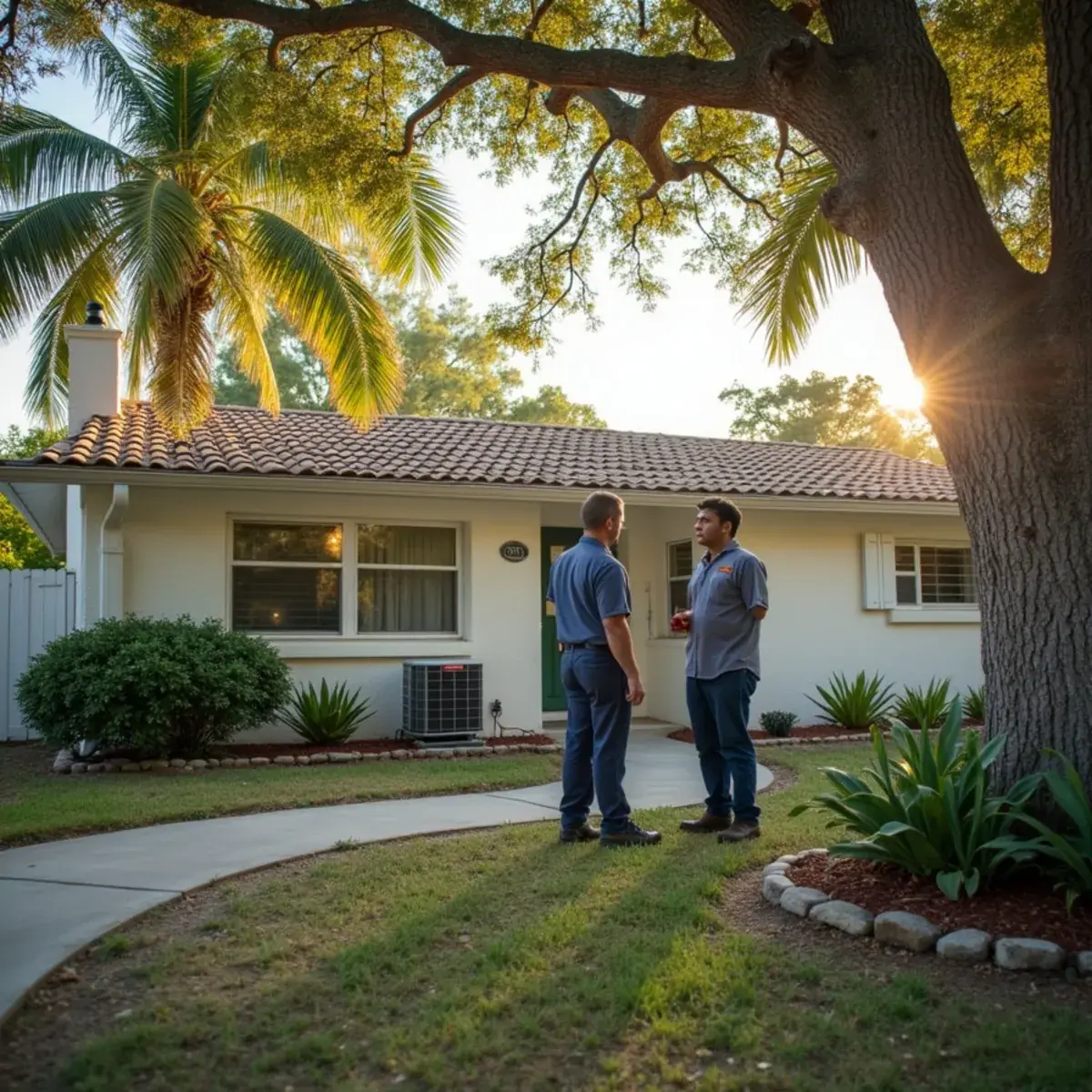
The ranch homes that fill much of Venice Gardens and South Venice were built to last: concrete block walls, stucco outside, terrazzo floors inside, low hip roofs over shallow attics. What they were not built for is a modern central air system. Many started life with window units or an early central system, and the ductwork that feeds them today is often a patchwork of decades of additions. If one bedroom is always hot, the hallway feels drafty and the house never quite dries out, the problem is usually the air distribution, not just the equipment.
Why block homes behave differently
Concrete block (CBS) walls have a lot of thermal mass. They soak up heat through a long August afternoon and release it into the house well into the evening, so the AC is still working hard at 9 p.m. Older block homes usually have little wall insulation, often just furring strips with a thin foil or foam layer behind the drywall. Add original single-pane windows or jalousie windows in a later Florida room addition, and the west and south rooms carry far more heat load than the rest of the house.
The ductwork problem
Ducts in a very hot attic
Low-slope roofs create tight attics that routinely pass 130°F in summer. Ducts up there are often aging flex duct or duct board with crushed runs, sagging supports and connections that have pulled loose. Every leak dumps cooled air into the attic and pulls hot, humid attic air into the system. We regularly find supply runs to the far bedrooms that are too small, too long or pinched behind a rafter.
Return-air limits
Many of these houses have a single central return grille in the hallway or at the air handler closet. Close the bedroom doors at night and those rooms become pressurized: supply air goes in but has no easy way back. Airflow drops, the room warms up, and the rest of the house goes slightly negative, pulling humid outside air through every gap. Fixes include door undercuts, transfer grilles, jump ducts and dedicated returns in the larger bedrooms.
Closet and garage air handlers
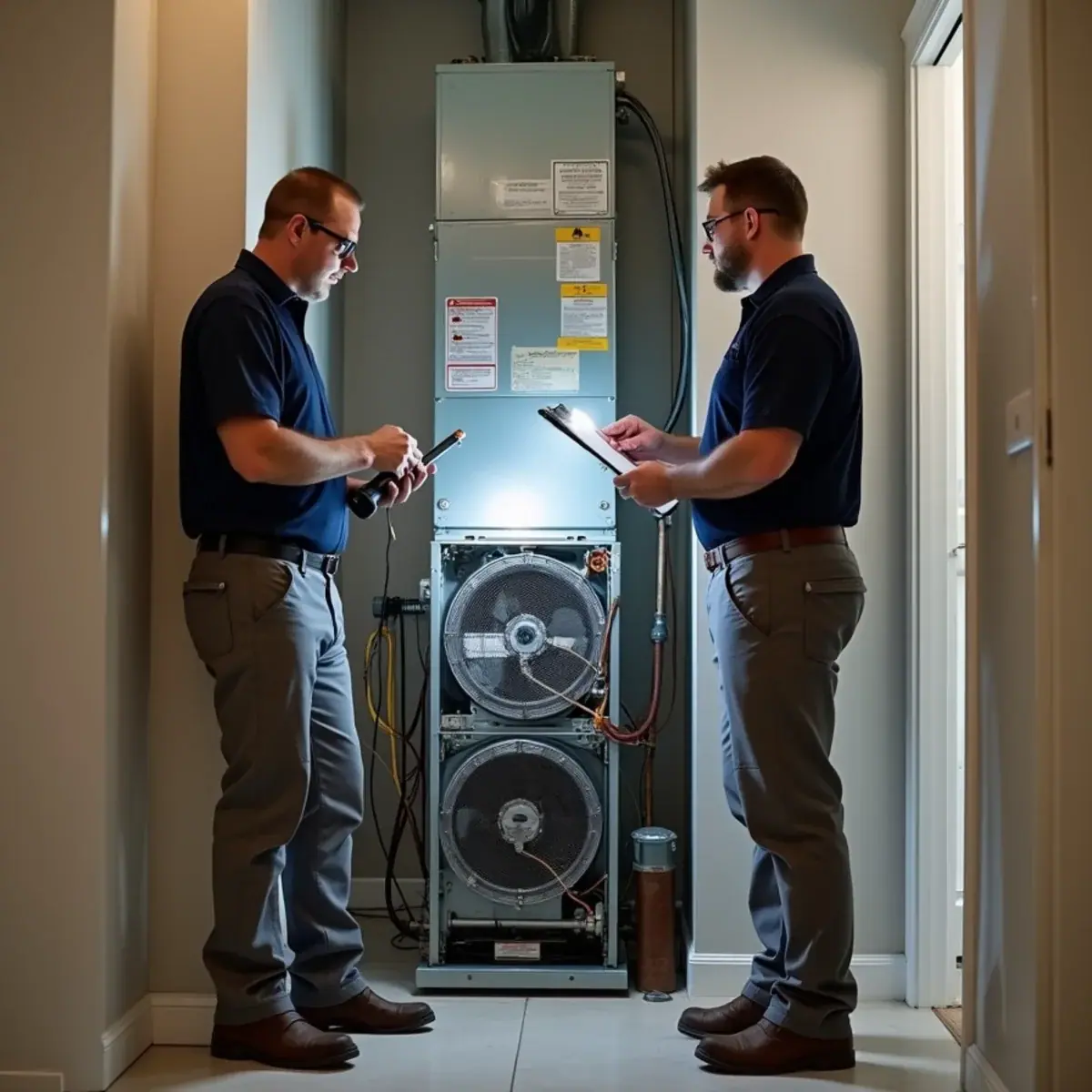
Air handlers squeezed into hall closets or garages are common, and they often sit on stands with platform returns that leak badly. A leaky return in a garage can pull in car exhaust and garage heat.
Diagnose before you buy equipment
- Load calculation (ACCA Manual J) using the home's real walls, windows, insulation and orientation, not the tonnage on the old unit.
- Static pressure test to see whether the ducts are choking the blower.
- Room-by-room airflow check at each supply register.
- Duct inspection in the attic for leaks, crushed flex and disconnected boots.
- Humidity reading indoors, since an oversized system in a block home often cools fast but leaves the air clammy.
| Symptom | Likely cause | Typical fix |
|---|---|---|
| Back bedroom always hot | Undersized or leaking supply run, no return path | Resize run, add return or jump duct |
| Whistling at the return grille | Return too small for the system | Enlarge return or add a second |
| Cool but clammy house | Oversized system, short cycling | Right-size equipment, variable-speed blower |
| Florida room never comfortable | No duct run, glass-heavy addition | Ductless mini-split for that space |
| Dusty house, high bills | Leaky return pulling attic air | Seal and rebuild return plenum |
Retrofit options that work
Duct redesign using Manual D
ACCA Manual D sizes each supply and return run to deliver the right airflow to each room. In an older home, that might mean replacing the main trunk, adding returns and running new, properly supported flex to the problem rooms. Pairing a duct redesign with a new system is often the single biggest comfort improvement an older house can get.
Right-sized, variable-speed equipment
Once the ducts can move air properly, a right-sized system, often with a variable-speed blower or inverter compressor, runs longer at lower output, which pulls far more moisture out of the air. Our AC installation and replacement service always starts with the load calculation, and the result is frequently a smaller system than the one being replaced.
Ductless for additions and hard-to-reach rooms
Enclosed lanais, garage conversions and Florida rooms were often added without any duct connection. Rather than stretching the main system, a ductless mini-split gives that space its own thermostat and keeps the load off the central unit.
Tighten the attic before you size the system
Most online advice about upgrading an older home's AC skips straight to equipment. In a 1960s or 1970s block ranch, the ceiling is often the cheapest place to shrink the cooling load, and it should be dealt with before anyone runs the load calculation. Three items come up again and again:
- Thin or compacted attic insulation. Decades of settling, roof leaks and service traffic leave bare spots, especially near the eaves where low hip roofs make it hard to reach.
- Open ceiling penetrations. Old recessed lights, bath fan housings, plumbing chases and the attic hatch in a closet or garage leak conditioned air upward and let attic heat down.
- No radiant barrier. A foil barrier under the roof deck can cut the heat radiating onto the ducts and the ceiling below, which matters most with ductwork running through that attic.
Insulation and attic sealing are usually jobs for an insulation contractor, but the order matters to us: once the ceiling is tightened, the Manual J number drops, and the system we size afterward can be smaller and run longer, drier cycles.
Don't forget humidity
Block walls and terrazzo floors hold moisture, and a house that sits closed up for the summer can climb above 60% relative humidity quickly. Keeping indoor humidity between roughly 40% and 60% protects furniture, drywall and your lungs. If the house smells musty even when the temperature is right, look at our humidity and mold control options alongside any equipment upgrade.
Permits and practical notes
Venice Gardens and South Venice are unincorporated parts of Sarasota County, so AC replacements there are permitted through the county rather than the City of Venice. Plan for attic work to happen early in the morning in summer, and budget for small surprises such as a rotted return platform or old wiring at the condenser disconnect.
What the meters usually show in a 1960s–1970s block ranch
When we test an older Venice Gardens or South Venice house before quoting a replacement, a few readings tell most of the story:
- Total external static pressure. Most residential blowers are designed around roughly half an inch of water column. Patchwork duct systems with one small return often read well above that, which means the blower is moving less air than the equipment label assumes, no matter how new the unit is.
- Register-to-register temperature. Supply air at the register nearest the air handler compared with the far bedroom tells us how much heat a long attic run is picking up. A spread of several degrees points at the duct, not the equipment.
- Door-closed pressure. With a bedroom door shut and the blower running, a manometer across the door shows whether that room has any real return path.
The most common mistake we're asked to undo is the "bigger unit" fix: someone added half a ton to cure a hot back bedroom. The room stayed hot because its duct couldn't carry more air, and the oversized system now short-cycles and leaves the rest of the house clammy. One more caution for houses this age: old duct wrap, duct board and mastic can predate modern materials. If something looks original and brittle, we recommend having it tested before it's torn out rather than guessing.
Talk through your home's layout with us
Goran and the Brothers Services Cooling & Heating team know these houses well. Call (831) 461-3437 or request a quote, and we'll come out, measure and give you options that fit the way your home was actually built.
FAQ
Common questions
Do I need new ductwork when I replace the AC in an older block home?
Not always, but it is worth testing. If static pressure is reasonable and the ducts are sealed and correctly sized, they can often be reused. If runs are crushed, leaking into the attic or undersized for the far rooms, replacing or redesigning them at the same time as the equipment is usually the most cost-effective moment to do it, since the system is already open.
Why is my new AC not fixing the hot bedroom?
A new system cannot push air through a duct that is too small, disconnected or blocked. Hot rooms in older homes usually come from a long, undersized supply run or a missing return path when the door is closed. Measuring airflow at that register and checking the return path typically points straight to the fix.
Should I close the vents in rooms I don't use?
In an older block home, usually not. Closing supply registers doesn't shrink the system's output; it pushes the same blower against more resistance. In a duct system that already runs high static pressure, that can cut total airflow, chill the evaporator coil toward freezing and make the other rooms leakier. If a room truly sits unused, ask about rebalancing the ducts or a zoned or ductless setup instead of shutting grilles.
Will my older home's electrical service handle a new AC?
Usually, but it has to be checked, not assumed. The new condenser's nameplate lists a minimum circuit ampacity and a maximum breaker size, and the existing wire, breaker and outdoor disconnect must match them. In older homes we often find a corroded disconnect, undersized wire from an earlier swap or a crowded panel. Those are fixed as part of the job, and a heat pump with backup strips gets the same check on the air handler circuit.
About the author
Written by the team at Brothers Services Cooling & Heating, an owner-operated HVAC contractor in Venice, FL. Goran and crew repair, replace and maintain air conditioners and heat pumps across Sarasota County every day — this article reflects what we see on real Gulf Coast service calls.