Local
Selling a Home in Venice, FL? How to Pass the HVAC Inspection
The air conditioner is one of the first things a Venice buyer's inspector checks and one of the easiest items to fix before listing. Here's how to get ahead of it.
Quick answer
To pass the HVAC inspection when selling a home in Venice, FL, schedule a tune-up and pre-listing check three to four weeks ahead. Clear the condensate drain, test the float switch, clean the coils, fix any refrigerant leak properly and gather service records. Inspectors mostly flag predictable, fixable items: rusty drain pans, weak temperature splits and missing tie-downs.
In a Florida home sale, the air conditioner is one of the most closely examined systems in the house. Buyers know a replacement is a big expense, inspectors know it too, and a report that says "AC near end of service life" or "rust in drain pan" can turn into a repair request, a price reduction or a nervous buyer. Most of those findings are predictable, and a lot of them are cheap to fix before the listing goes live. Here is how Venice-area sellers can get ahead of the HVAC inspection instead of reacting to it.
What a buyer's inspector actually checks
A general home inspector is not an HVAC technician, but a good one will spend real time on the system. Expect them to:
- Read the data plates to estimate age and note the refrigerant type (R-22 raises flags)
- Measure the temperature split between the return and supply air, commonly expecting roughly 15–22°F
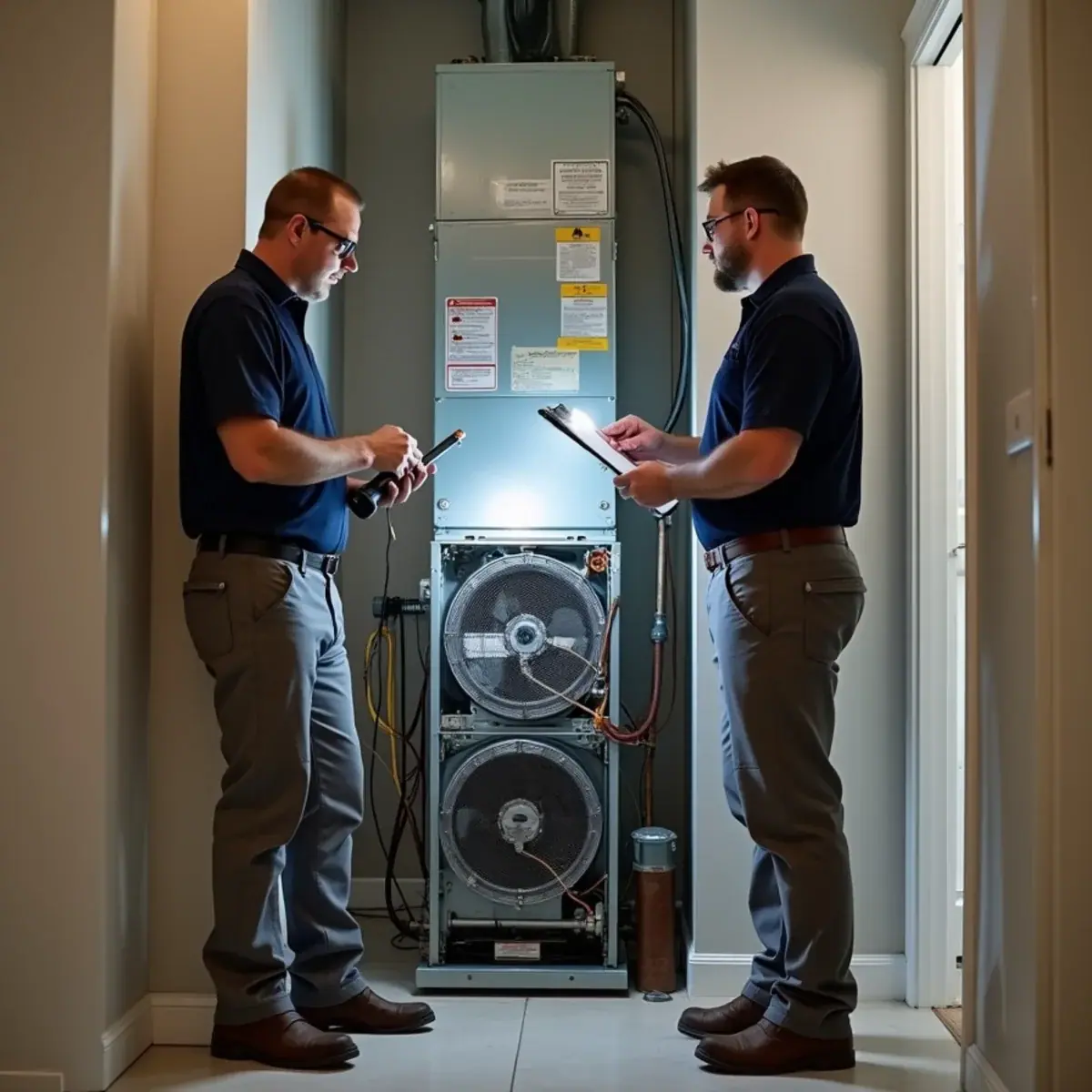
- Look inside the air handler closet at the drain pan, coil, filter and cabinet
- Check for a working float switch or secondary drain on the condensate line
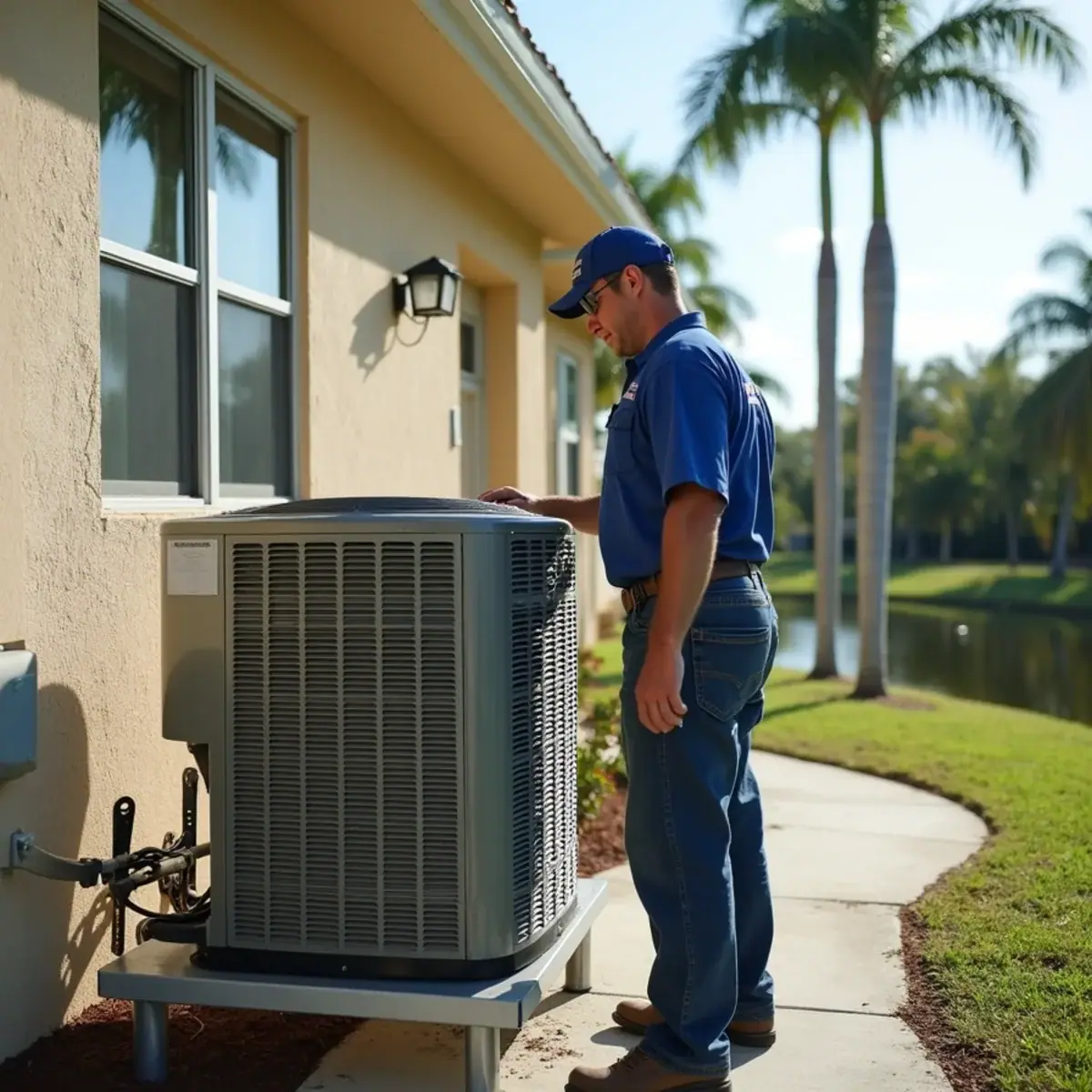
- Inspect the condenser for fin damage, rust, missing tie-downs and damaged line set insulation
- Glance at visible ducts in the attic for disconnected or crushed runs
- Run the heat or heat strips briefly to confirm they work
For older homes, many Florida insurers also require a 4-point inspection covering roof, electrical, plumbing and HVAC. The age and condition of the AC on that report can affect the buyer's ability to get coverage, which is another reason sellers should know what the system looks like before a buyer's inspector does.
The findings that stall Venice-area sales
| Finding | Why it happens here | Typical resolution |
|---|---|---|
| Rusted or water-stained drain pan | Constant condensate in humid months | Clean, treat or replace pan; add float switch |
| Clogged or slow condensate drain | Algae growth in the line | Flush line, clean trap, add cleanout access |
| Dirty or moldy evaporator coil | Skipped maintenance, high humidity | Coil cleaning, filter change, humidity check |
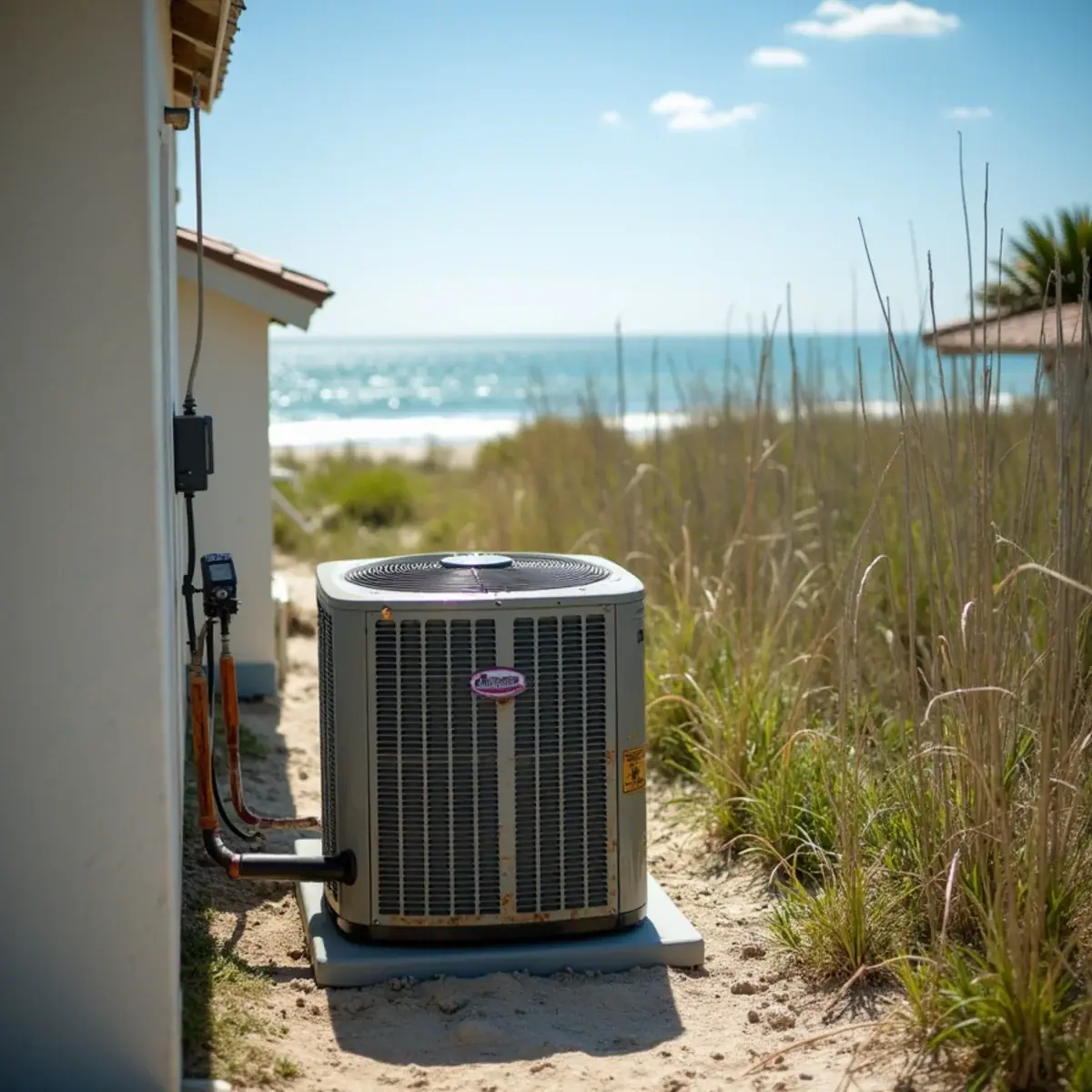
| Corroded condenser fins | Salt air near the coast | Fin cleaning, rinse; replacement if severe |
| Missing or rusted tie-downs | Older install or storm damage | Install wind-rated tie-downs |
| Poor temperature split | Low charge, dirty coil or weak airflow | Diagnose before listing; repair leak if found |
| System 15+ years old or R-22 | Original equipment in older homes | Service records, credit or replacement quote |
A pre-listing HVAC checklist
- Replace the air filter and note the date on the frame.
- Flush the condensate line and confirm the float switch shuts the system off when tripped.
- Have the evaporator and condenser coils cleaned, and check the drain pan for rust.
- Verify refrigerant pressures and temperature split, and fix any leak rather than just topping off.
- Tighten electrical connections, test the capacitor and inspect the contactor.
- Confirm tie-downs are present and solid, and replace torn line set insulation.
- Check that the thermostat works on every mode, including heat.
- Pull together service records, the install date and any permit history for the unit.
- Clear the closet around the air handler so the inspector has easy access.
Most of that list is a standard tune-up. Scheduling AC maintenance a few weeks before listing gives you time to handle anything it turns up, and a dated service invoice reassures buyers.
Repair, replace or offer a credit?
If the problems are minor, such as a clogged drain, a weak capacitor or a dirty coil, fix them. Those repairs cost far less than the negotiating leverage they give a buyer. If the system is old but working, a clean service report plus an honest replacement estimate lets you decide whether to replace it, price the house accordingly or offer a credit. Replacing an aging unit right before a sale only makes sense if it is failing or clearly holding back the offers. When a repair is needed, our AC repair service can usually get to it quickly, and for refrigerant problems we'll find the leak instead of masking it with a top-off before closing.
When the inspection is tomorrow
Real estate timelines don't always leave room for planning. Zoran M. called us the day before he needed a last-minute third A/C inspection for the sale of his house, and he described the work as thorough. That kind of turnaround isn't guaranteed, but calling early in the day gives us the best chance to fit you in. Our home sale HVAC inspection service covers sellers, buyers and re-inspections after repairs.
We work throughout the Venice area, including Nokomis, where many sellers are in established communities with systems from the 2000s, and Englewood, where coastal homes often show salt-air wear on the condenser that inspectors are quick to note.
Selling a vacant or seasonal home
Plenty of Venice listings belong to owners who have already moved north or into a new place, and an empty house is hard on an AC. Nobody hears the drain overflow, nobody notices the musty smell building in the closet, and a system switched off to save money can greet the first showing with damp carpet and a sour odor. If the house will sit while it's listed:
- Leave the system running at a moderate setpoint rather than off, so it keeps pulling moisture out of the air between showings.
- Confirm the float switch works before you leave, so a clogged drain shuts the system down instead of flooding the closet floor.
- Ask your agent or a neighbor to note the thermostat reading and any smell or water at each visit.
- Set a date for a mid-listing check if the house will be on the market through the summer, when drains clog fastest.
A buyer's inspector who walks into a cool, dry, odor-free house starts the AC section on a better footing than one who opens a closet to a rusty, wet pan.
A quick word for buyers
If you're on the buying side, a dedicated HVAC inspection digs deeper than a general report: refrigerant pressures, compressor amp draw, coil condition and duct leakage. It gives you real numbers to negotiate with instead of a line that says "recommend evaluation by a licensed contractor."
What we record on a pre-listing check that a general report often misses
A general inspection gives the system a pass or a flag. On a pre-listing visit, we write down the readings behind that verdict, because numbers hold up better in a negotiation than adjectives. The details that tend to matter:
- Temperature split in context. On a humid Venice afternoon, a healthy system spends much of its effort pulling moisture out of the air, so the split across the coil can read lower than the textbook range. We note indoor humidity alongside the split so a normal reading isn't mistaken for a weak system.
- The true install date. The serial number shows when the unit was manufactured, which can be months earlier than the install. The permit record, when there is one, shows when the unit went in, and that's the age that should go on the report.
- Capacitor readings against the rating. A capacitor that's drifting below its rated microfarads still starts the unit today and fails in August. Replacing it before listing costs little and removes a likely finding.
- Float switch tested, not just seen. We trip it and confirm the system actually shuts off.
The mistake we see sellers make is the quick top-off: adding refrigerant a week before the inspection without finding the leak. It may pass the day of the inspection, but oil staining at the leak often gives it away, and a buyer who later learns the leak was known has a real grievance.
Schedule your inspection
Whatever your timeline, Brothers Services Cooling & Heating will give you a clear, honest picture of the system. Call (831) 461-3437 or request a quote, and Goran will get you on the schedule.
FAQ
Common questions
How long before listing should I have my AC inspected?
Three to four weeks before listing is ideal. That leaves time to order parts, handle a refrigerant leak repair or get replacement quotes without rushing. If you are already under contract, call as soon as the buyer's inspection is scheduled so any findings can be addressed or documented before the repair-request deadline in your contract.
Will an old AC unit kill my home sale?
Usually not. Buyers expect older homes to have older equipment. What worries them is uncertainty. A recent service report showing the system cools properly, drains correctly and has no active leaks goes a long way. If the unit is near the end of its life, a written replacement estimate helps both sides agree on a fair credit or price adjustment.
Does the HVAC need to pass a 4-point inspection for insurance?
Many Florida insurers request a 4-point inspection on older homes, and it covers the age and condition of the HVAC system. Requirements vary by insurer, so the buyer's agent or insurance agent should confirm what is needed. A clean, well-documented system with no visible rust or leaks makes that report straightforward.
Do I have to disclose AC problems when selling a house in Florida?
Generally, Florida sellers must disclose known defects that materially affect the home's value and aren't readily visible to the buyer, and a recurring leak or a failing compressor you know about can qualify. Your agent or a real estate attorney can tell you exactly what belongs on your disclosure. From the HVAC side, a dated service report is the simplest way to document the system's real condition.
What if the AC was replaced without a permit?
It can surface during the sale, because buyers, lenders or title companies sometimes check the permit history. Sarasota County and the City of Venice both require permits for AC replacement, and an unpermitted swap can usually be brought into compliance with an after-the-fact permit and inspection pulled by a licensed contractor. Start that early, since it may involve fees and inspection scheduling you don't want running into a closing date.
About the author
Written by the team at Brothers Services Cooling & Heating, an owner-operated HVAC contractor in Venice, FL. Goran and crew repair, replace and maintain air conditioners and heat pumps across Sarasota County every day — this article reflects what we see on real Gulf Coast service calls.